The kiosk exists
A person leaves the country, waits for the exit to register, then returns with a new stamp.

A public poem turns a visa-run pause into an immersive VR documentary.
At some borders, people briefly leave one country without truly arriving in another. They wait until the exit is registered, receive a stamp, and return so their temporary stay can continue. VISARUN enters that suspended interval through a poem painted on the wall of a real kiosk.
What is a visa run?
A visa run is a recurring border routine. When a permitted stay is about to expire, a person leaves the country, receives an exit stamp, waits long enough for the system to register it, and comes back with another stamp.
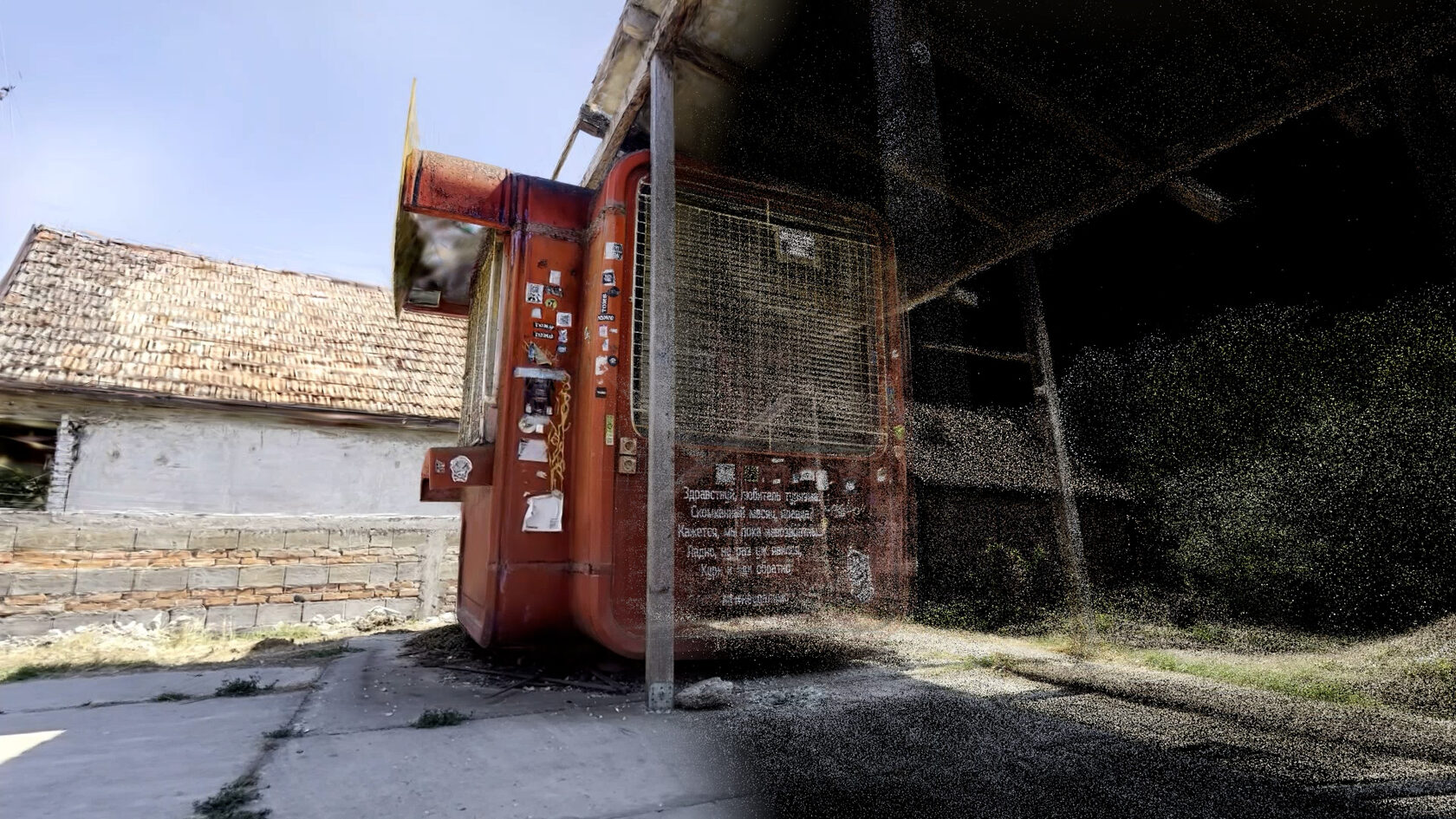
At Sremska Rača, between Serbia and Bosnia and Herzegovina, that waiting can happen in the narrow space between two checkpoints. The real wait may last only 15 or 20 minutes, but for people who repeat it every month, the place becomes a measure of time.
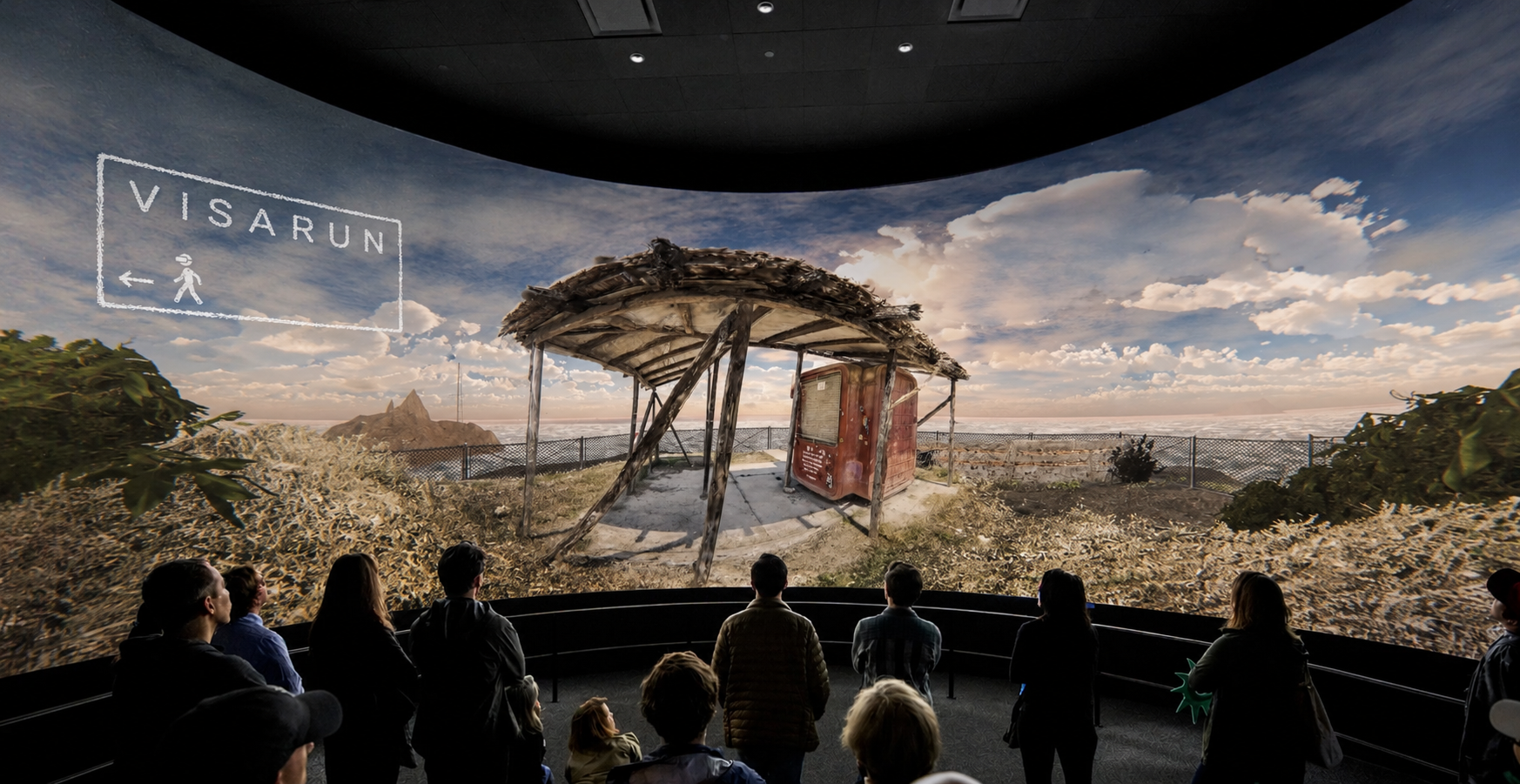
VISARUN turns this pause into an immersive VR documentary. The visitor does not receive a lecture about migration. They follow the poem: first through objects, then through witness figures, then through papers, stamps, photographs, and texts scattered around the island.
Trailer
A first look at the documentary island built from a real visa-run waiting zone, where a wall inscription becomes the structure of the experience.
Personal origin
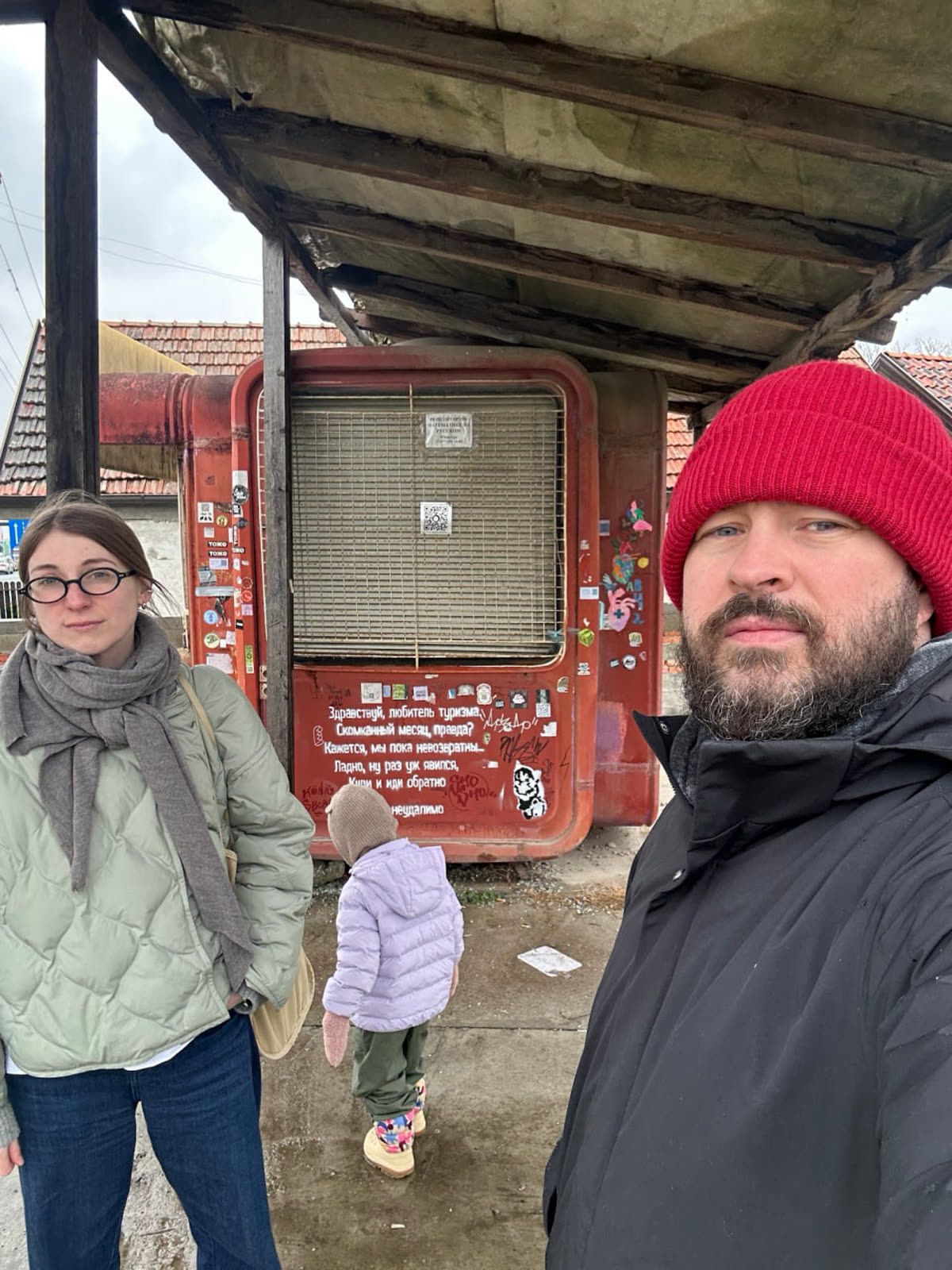
VISARUN grew out of Georgy Molodtsov's repeated visits to this waiting zone, where families, artists, IT workers, students, and strangers briefly leave Serbia so their stay can continue.
The poem on the kiosk changed the place. What could have remained a bureaucratic pause became a message addressed directly to those who keep returning: funny, tired, tender, and painfully precise.
The poem on the kiosk
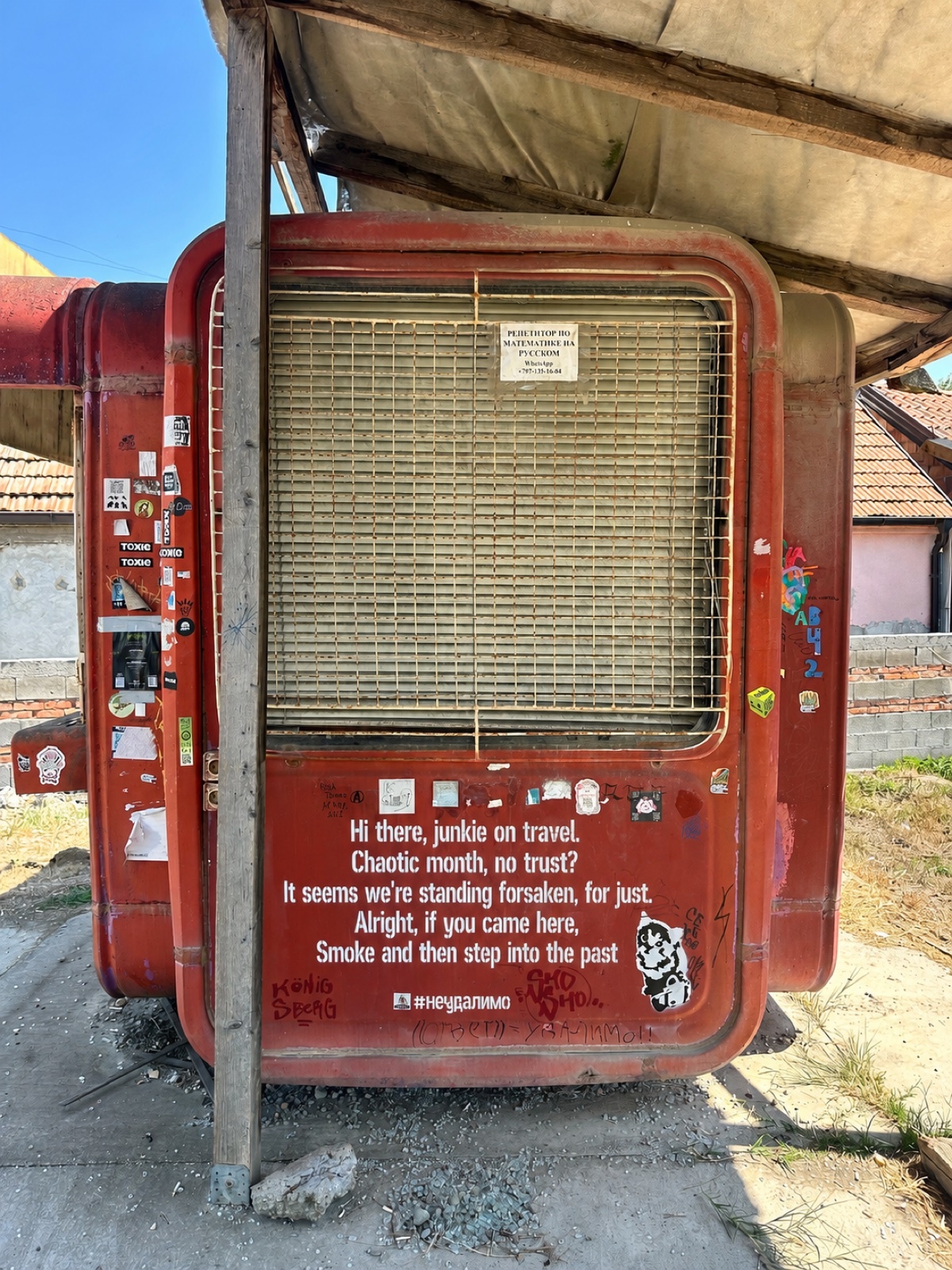
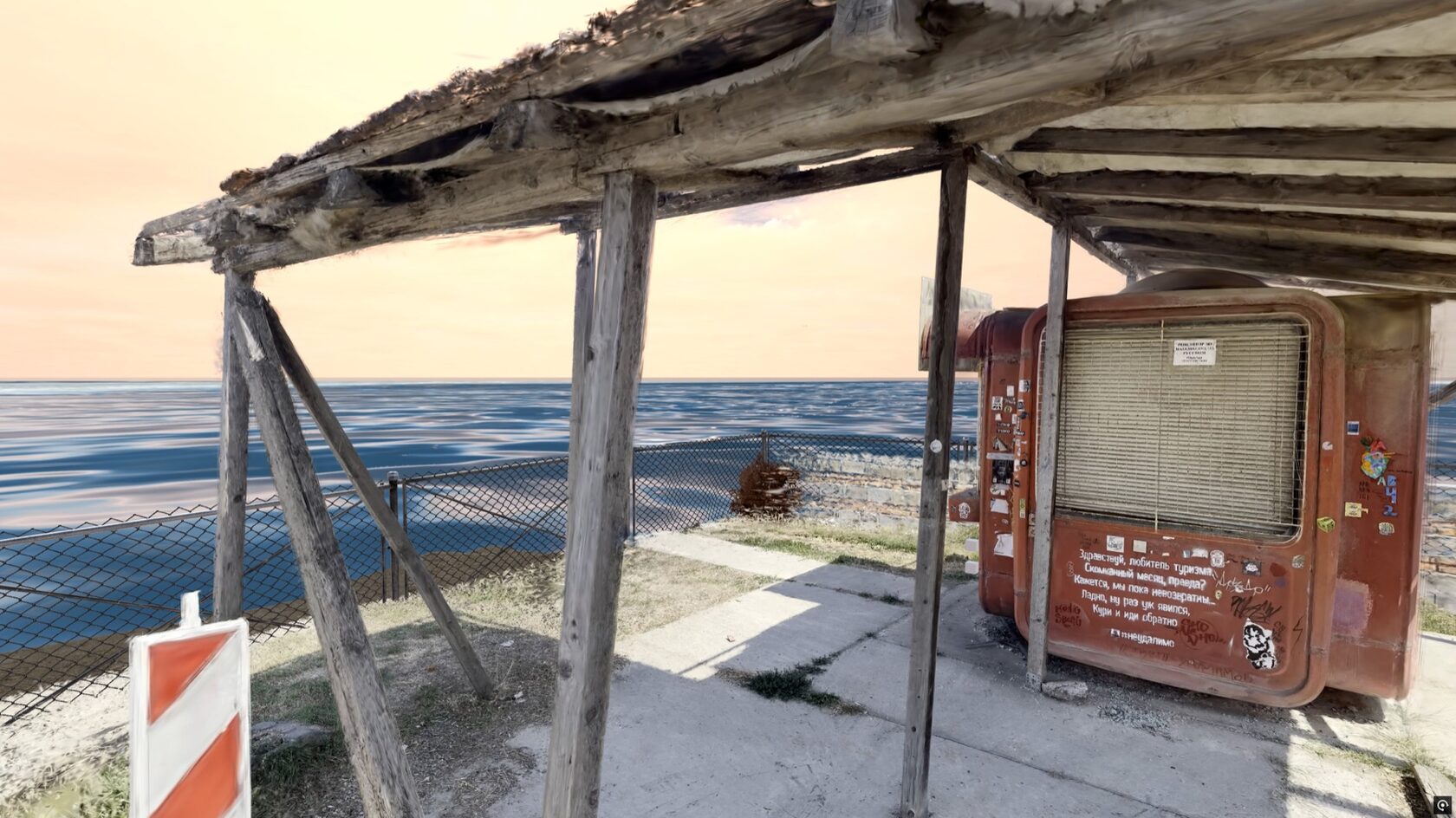
Artist and poet Ivan “Neudalimo” Pezikov left a poem on the wall of the real kiosk. VISARUN begins by reading it line by line through objects connected to border routine, waiting, family, warmth, and return.
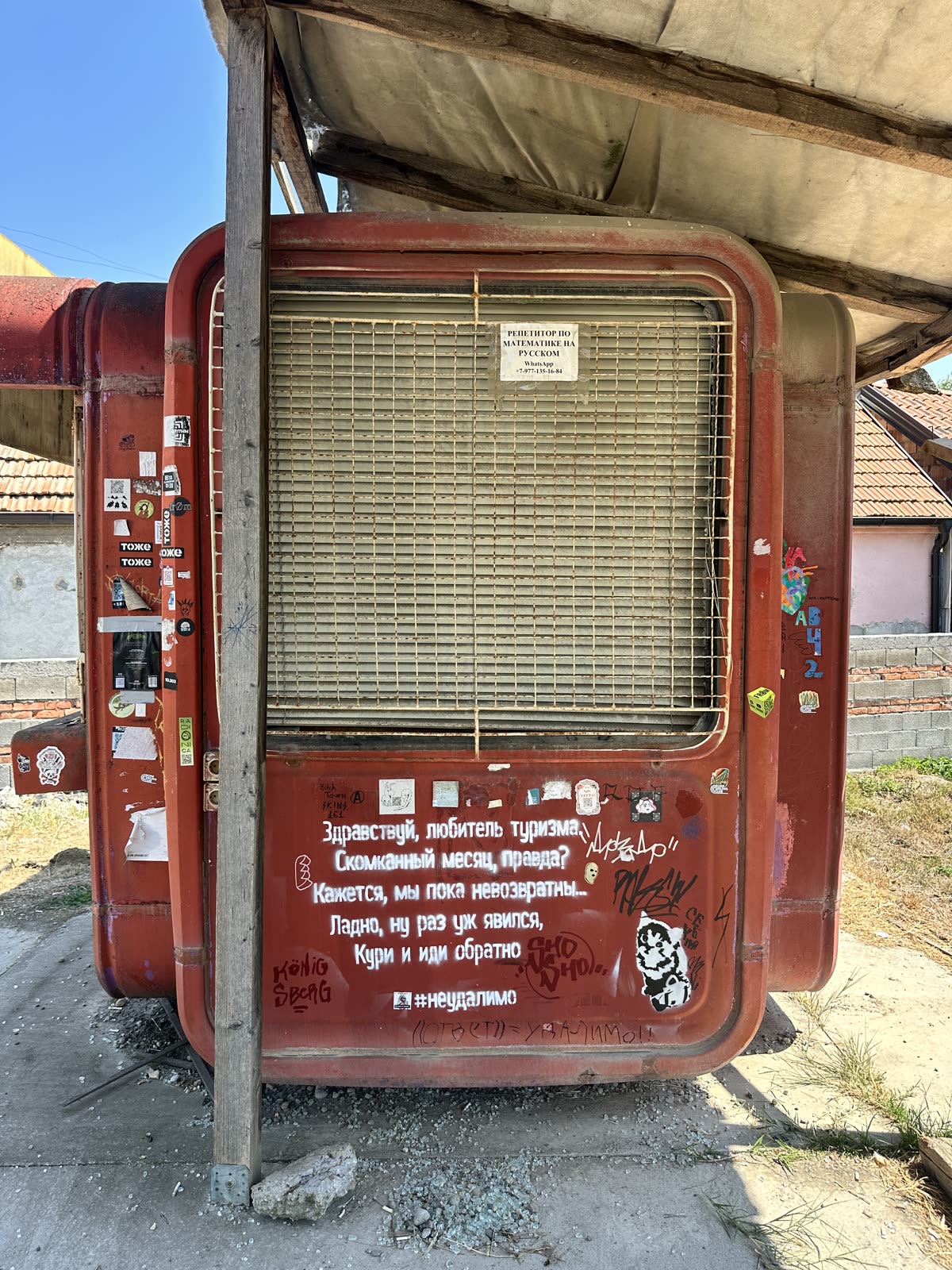
The poem does not explain the border. It speaks from inside the absurd routine: the official word “tourism”, the compressed month, the impossibility of return, the instruction to smoke and go back. In the first chapter, five objects reveal its five lines, turning the wall text into a ritual of recognition.
Здравствуйте, любитель туризма!
Скомканный месяц, правда?
Кажется, мы пока невозвратны.
Ладно, ну раз уж явился,
Кури и иди обратно
Experience
First, the visitor arrives under a burning summer sun. The kiosk offers shade. Five objects are waiting there: a bag, a calendar, a toy train, a thermos, and cigarettes. Each one unlocks a line of the poem and turns an everyday object into evidence.
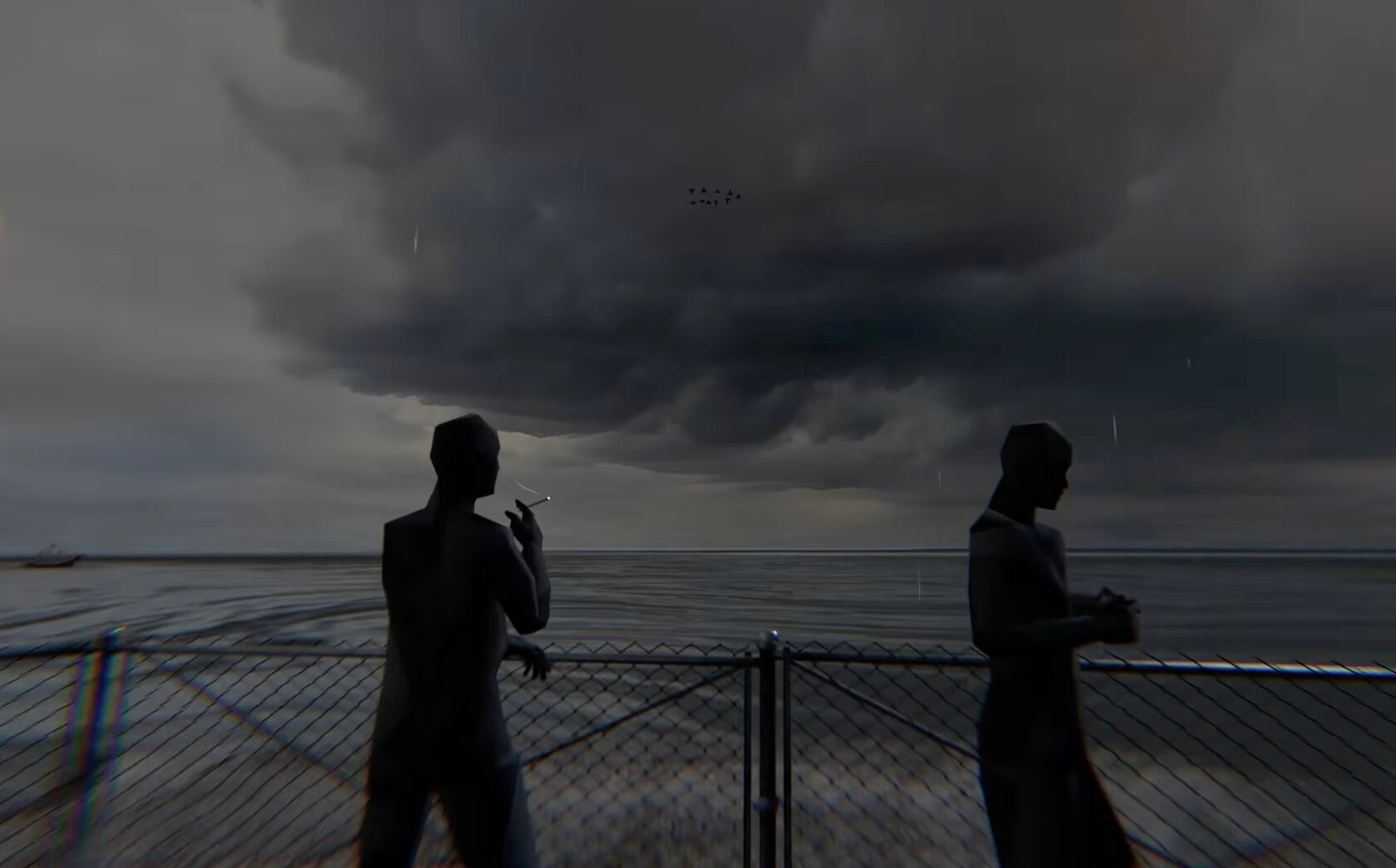
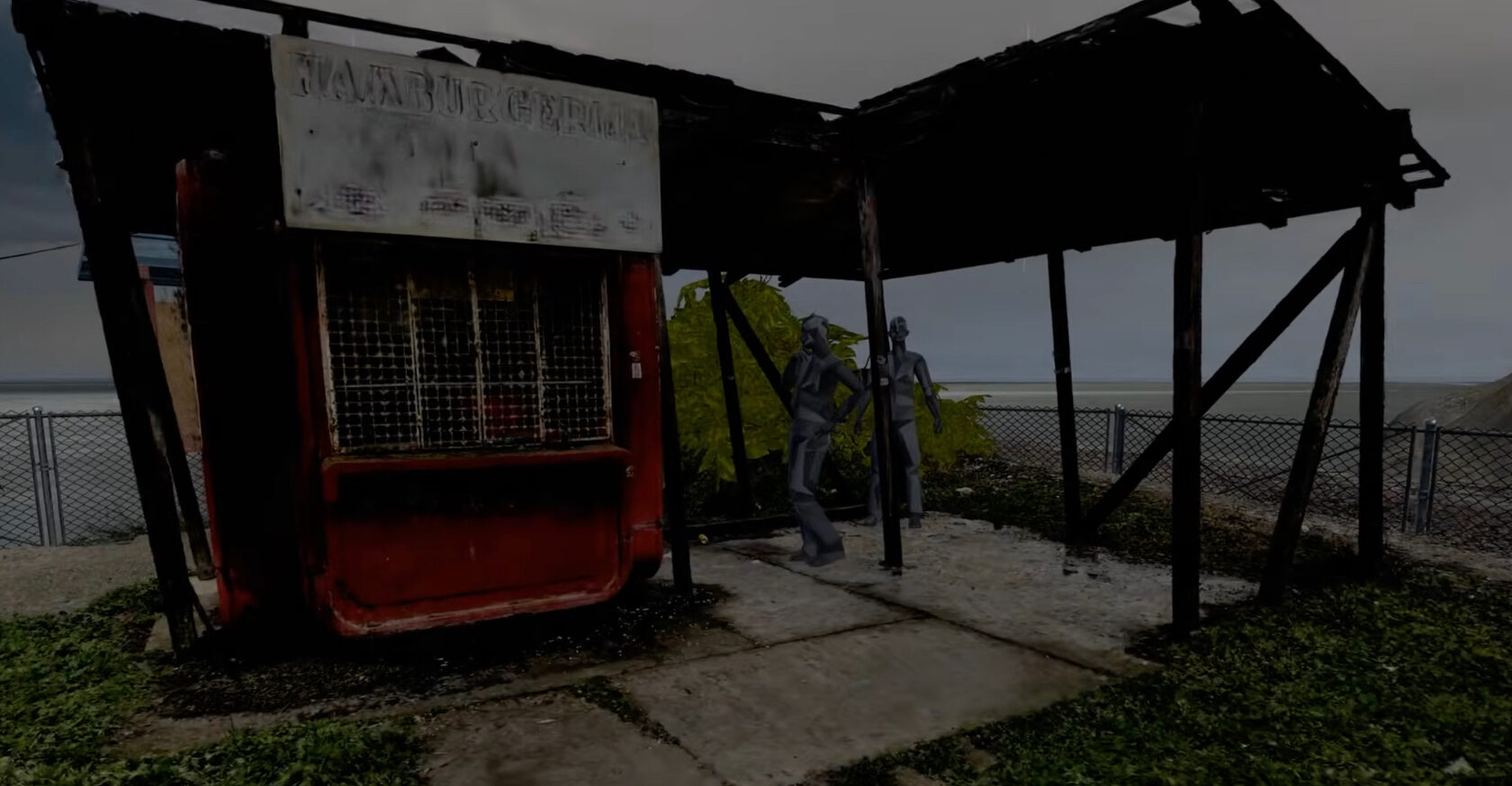
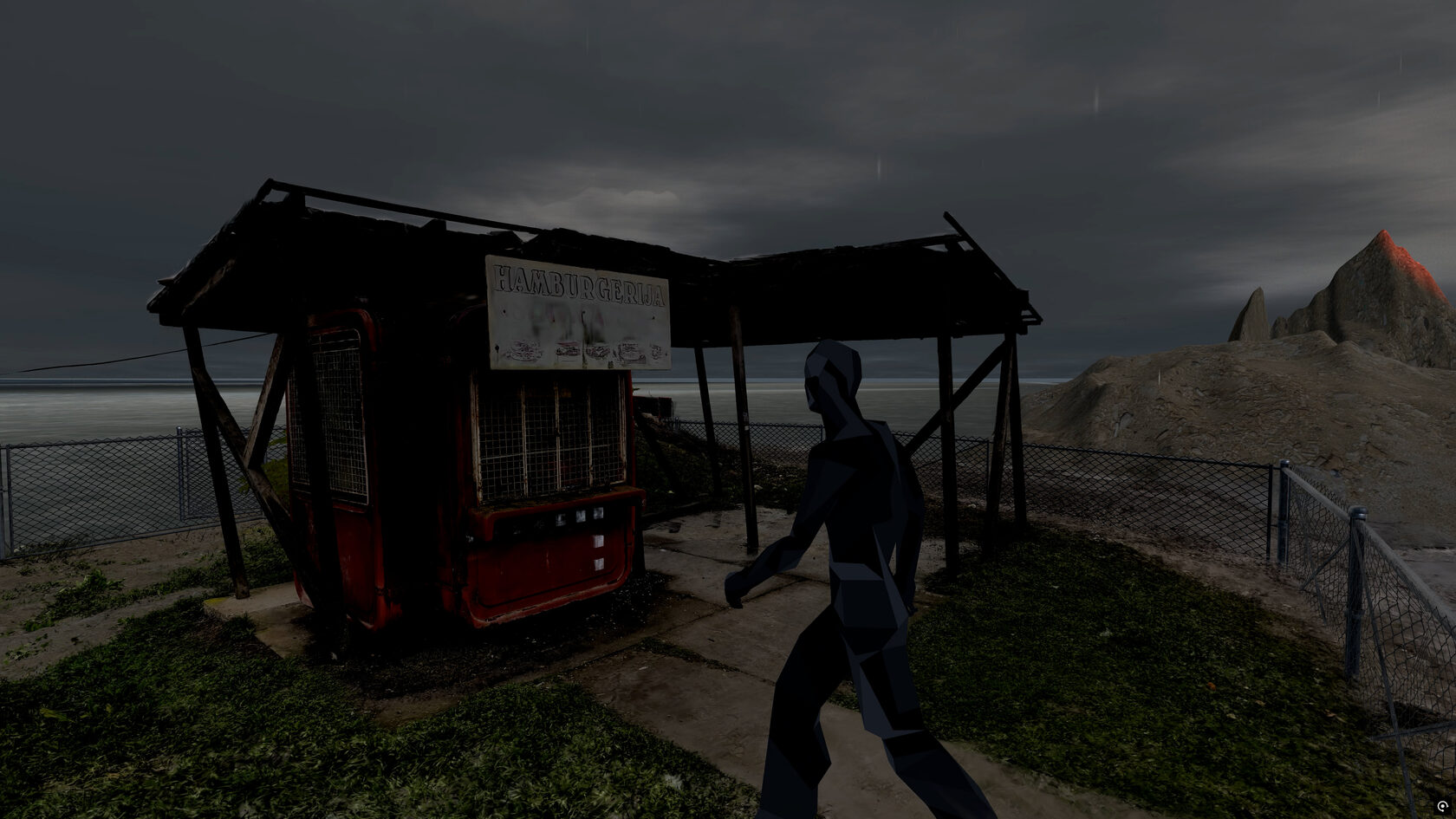
Then the same place returns as a storm. Five figures stand in the rain, each carrying a story that circles back to the poem, the booth, and the strange intimacy of meeting other people inside the same administrative loop.
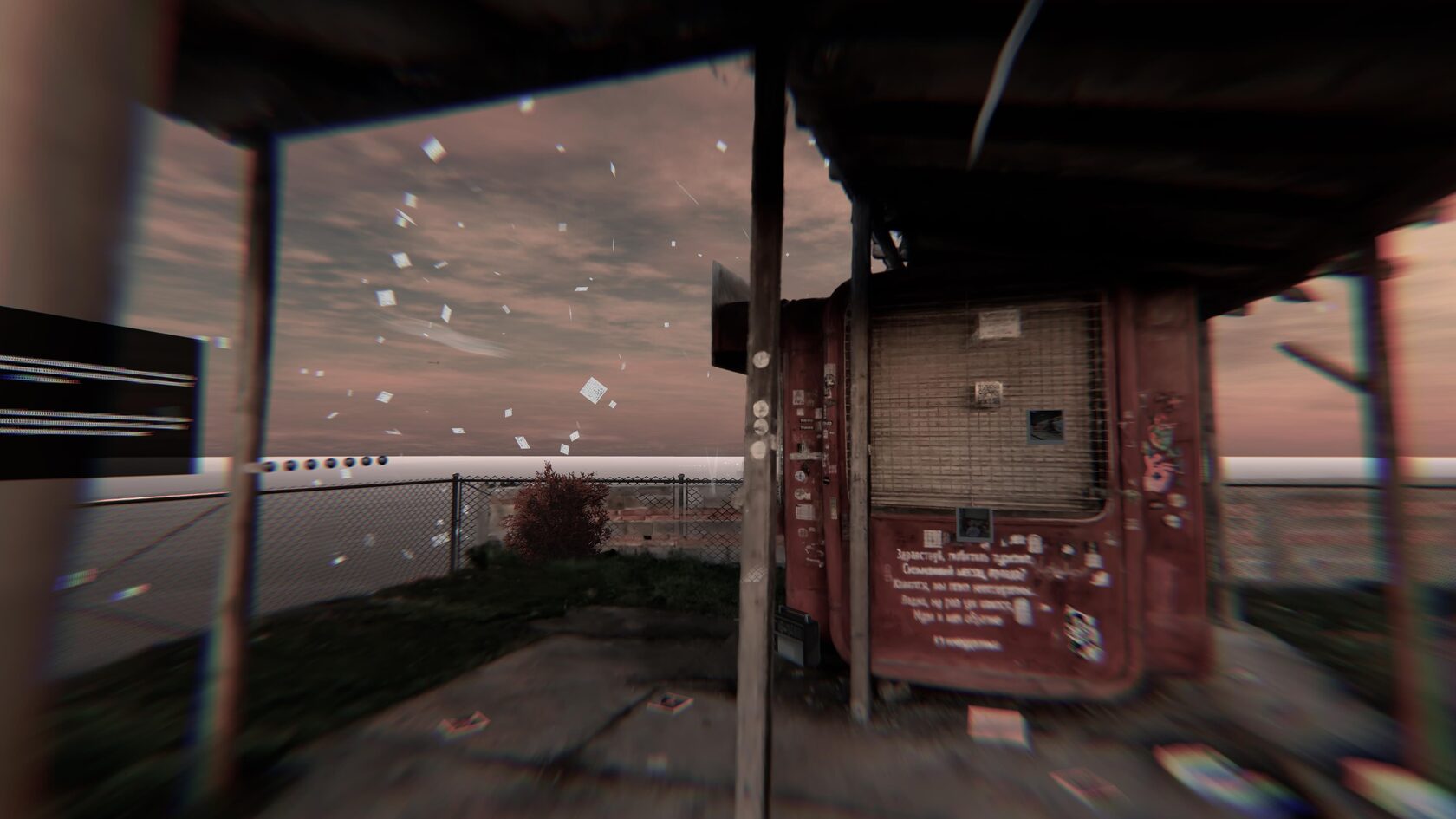
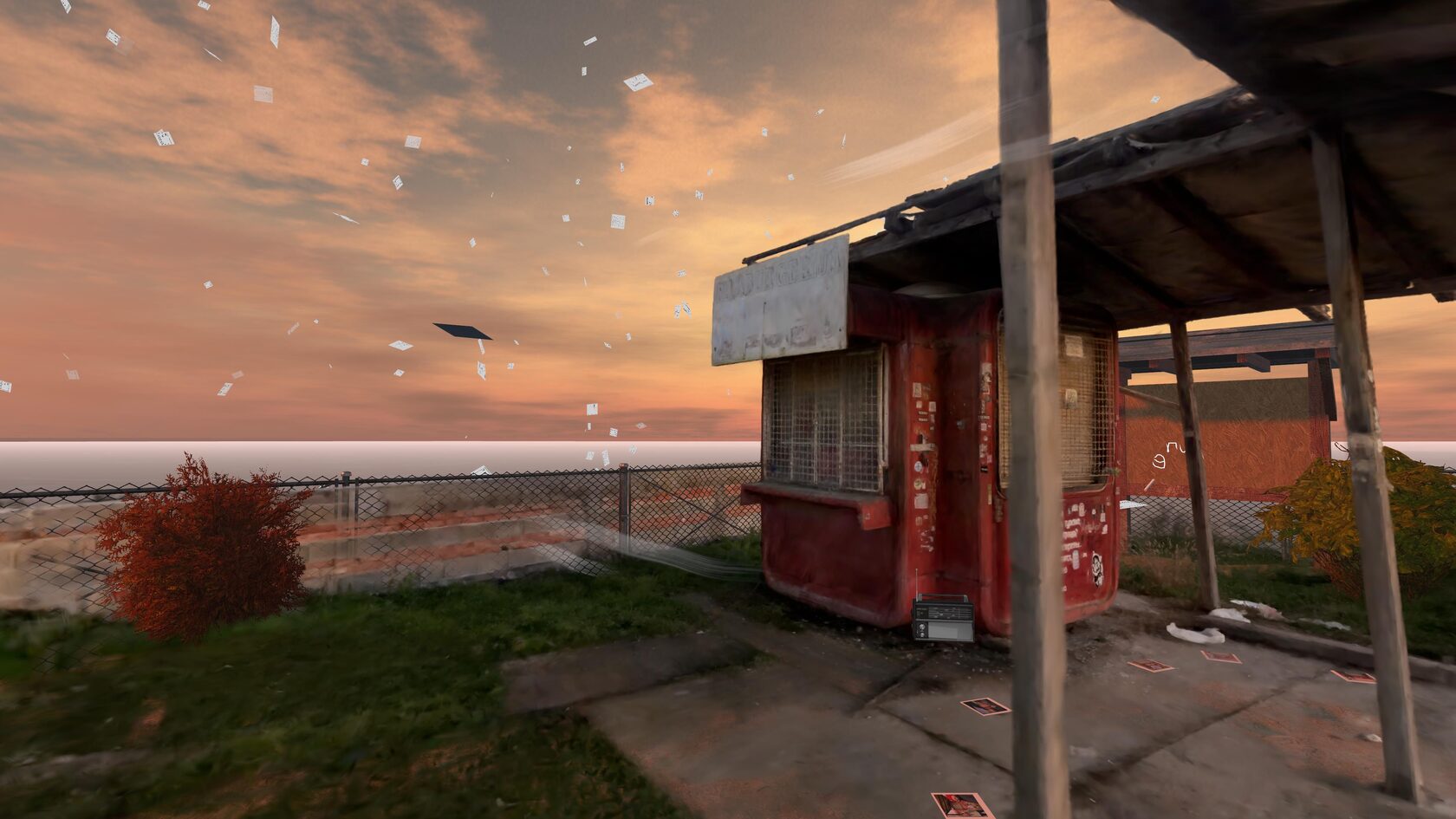
Finally, the island shifts into autumn evening. White registration papers and passport stamps move through the air. On the ground are photographs of people, including the authors, who have stood by this wall. Around the perimeter, short texts explain the situation without interrupting the experience.
As a physical installation, VISARUN becomes a collaboration between live VR navigation, panoramic projection, spatial sound, entry and exit stamps, and an olfactory composition developed with Daria Sarafanova. The audience enters the same suspended state through image, sound, paper, and scent: road heat, dust, rain, damp earth, waiting, and the feeling of being held between departure and return.
Historical context
The real site is a narrow waiting area at Sremska Rača, where people can briefly leave Serbia, wait for the exit to register, and return.
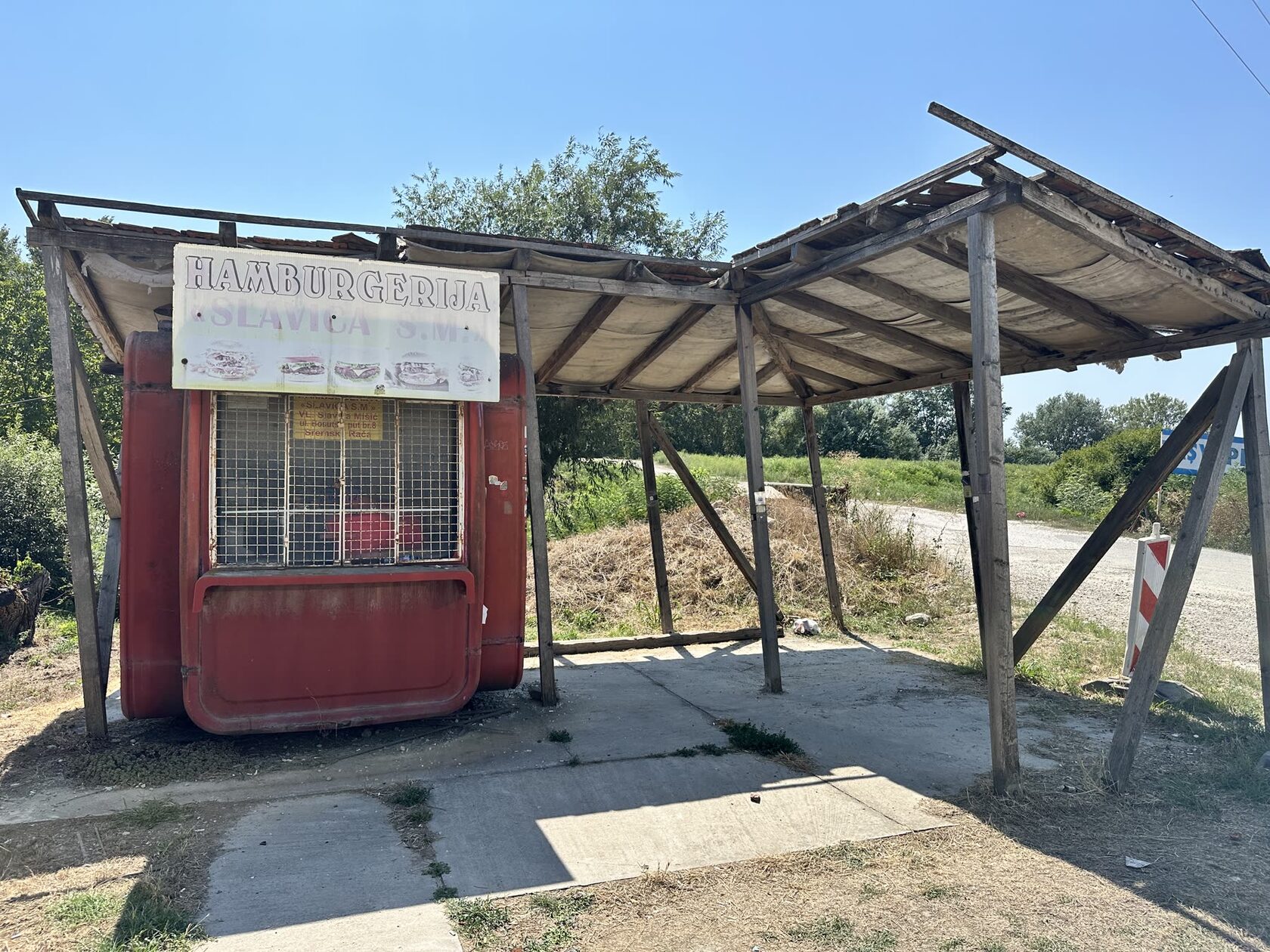
The K67 kiosk was designed in 1966 by Slovenian architect Sasa J. Machtig for socialist Yugoslavia as a modular public structure for cafes, market stalls, newsstands, and everyday services.
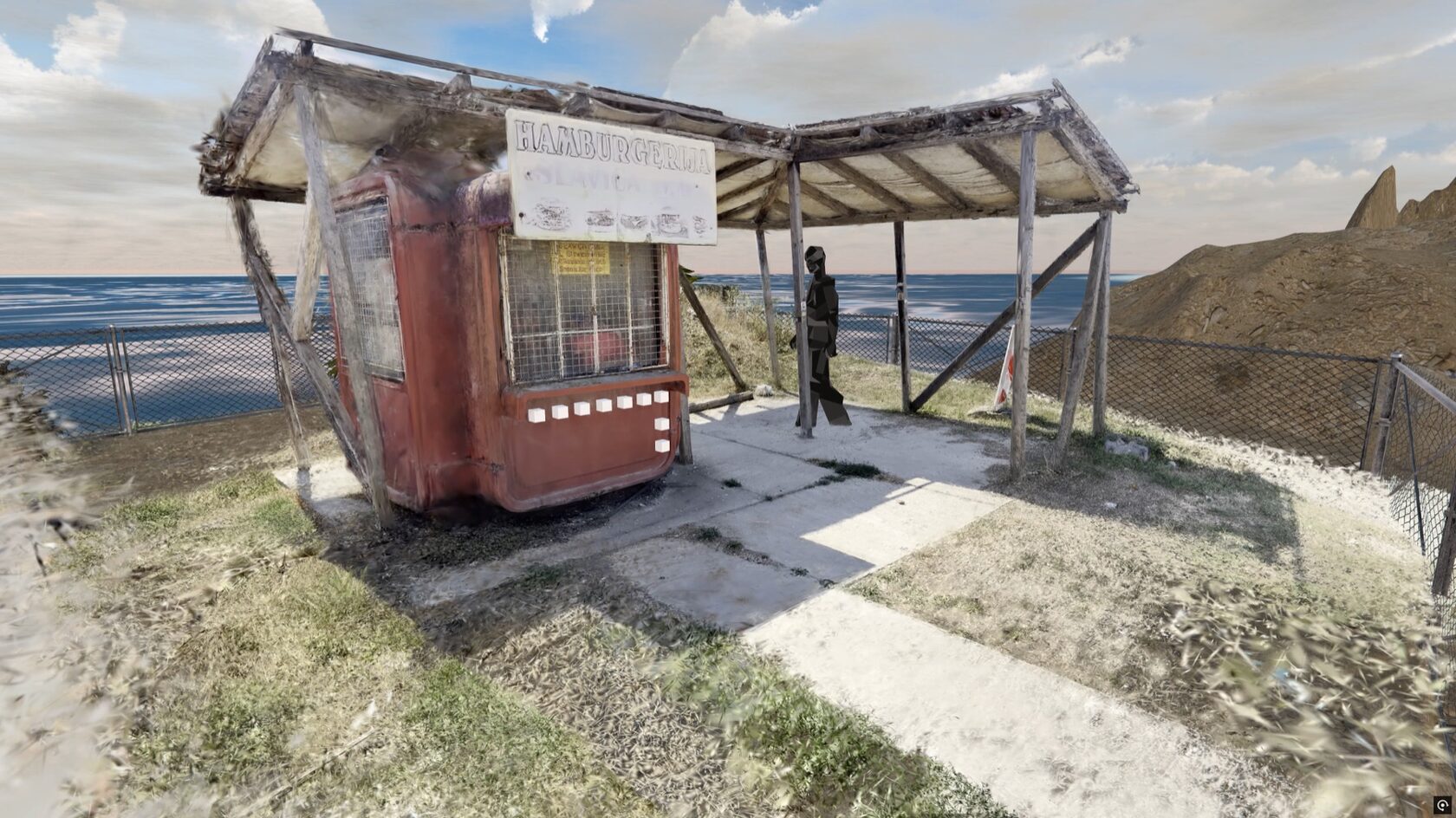
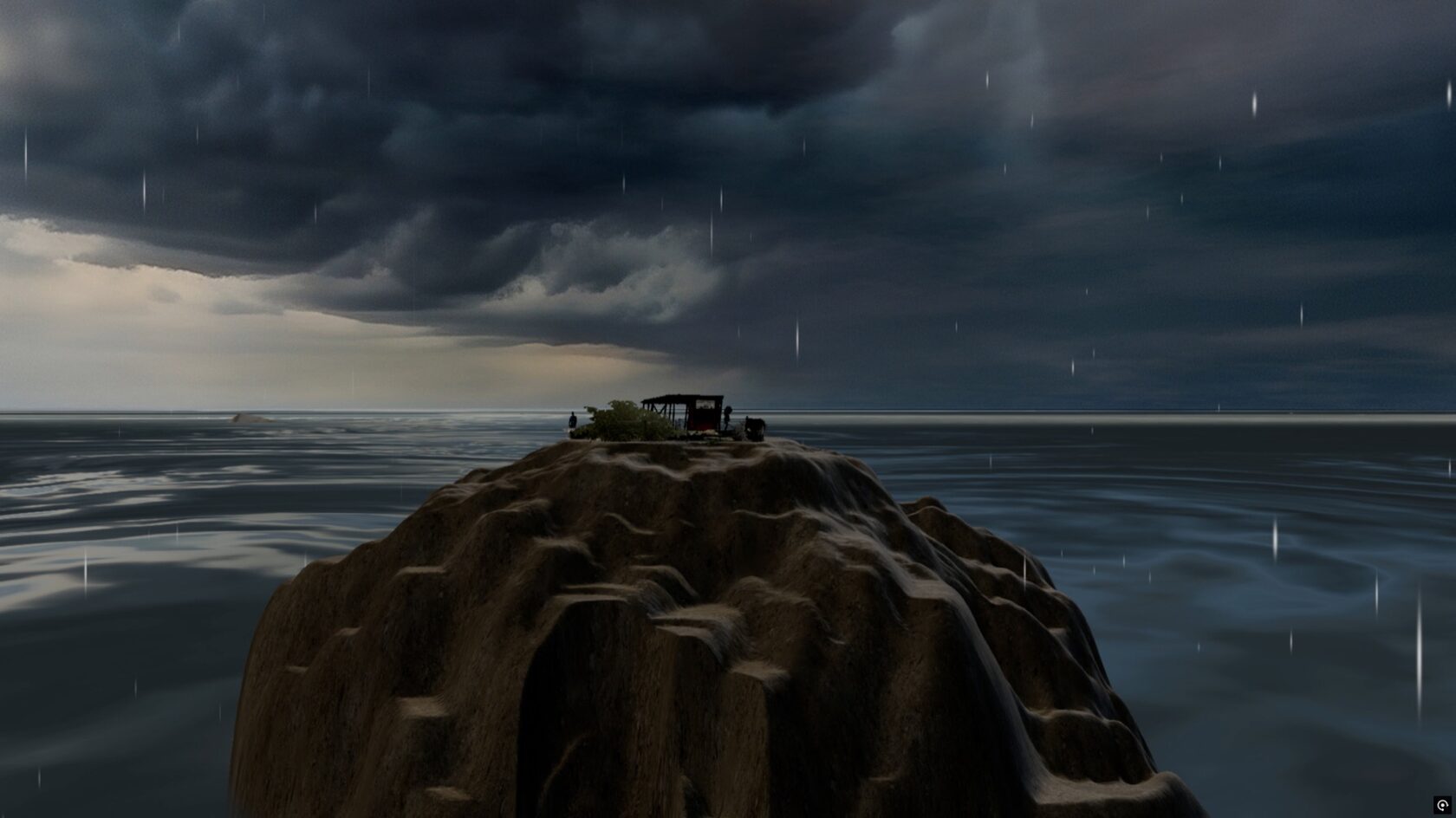
VISARUN keeps the scanned kiosk documentary, but moves it onto an imaginary island. The shift is deliberate: the island is not a literal map of the border, but the emotional geography of being between two stamps, two countries, and two versions of home.
The poem changed the waiting place. Stickers, ads, phone numbers, photographs, and online posts now gather around it, turning a practical stop into a shared marker for people living through repeated exits and returns.
A person leaves the country, waits for the exit to register, then returns with a new stamp.
The wall inscription gives the routine a voice, and turns the waiting place into a shared marker.
The world includes concise texts about visa runs, Sremska Rača, K67, and the monthly return.
Gallery
Recent festival WIP frames show how the world moves through the emotional states of one ritual: summer heat, storm, evening light, documents, memories, and traces of other visitors.
Living archive
Before VISARUN became a VRChat world, people were already returning to the wall, photographing the poem, thanking its author, and marking their own visa-run cycles. In the world, these public traces appear as photographs on the ground and fragments of a shared archive.
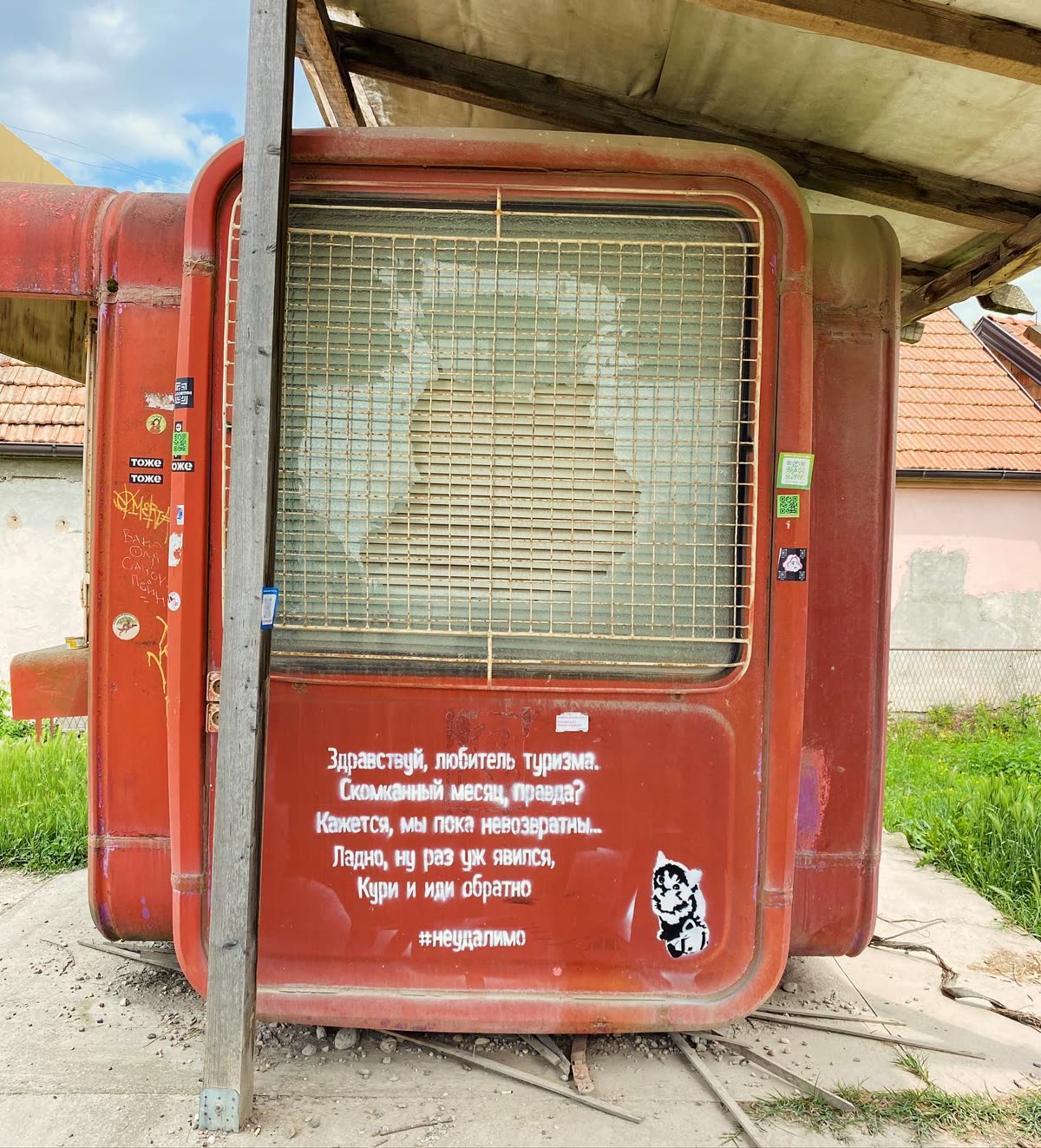
You can apply for a residence permit, or you can visit the kitty every month on a visa run. Serbia, Sremska Raca, border control. #neudalimoOpen original post
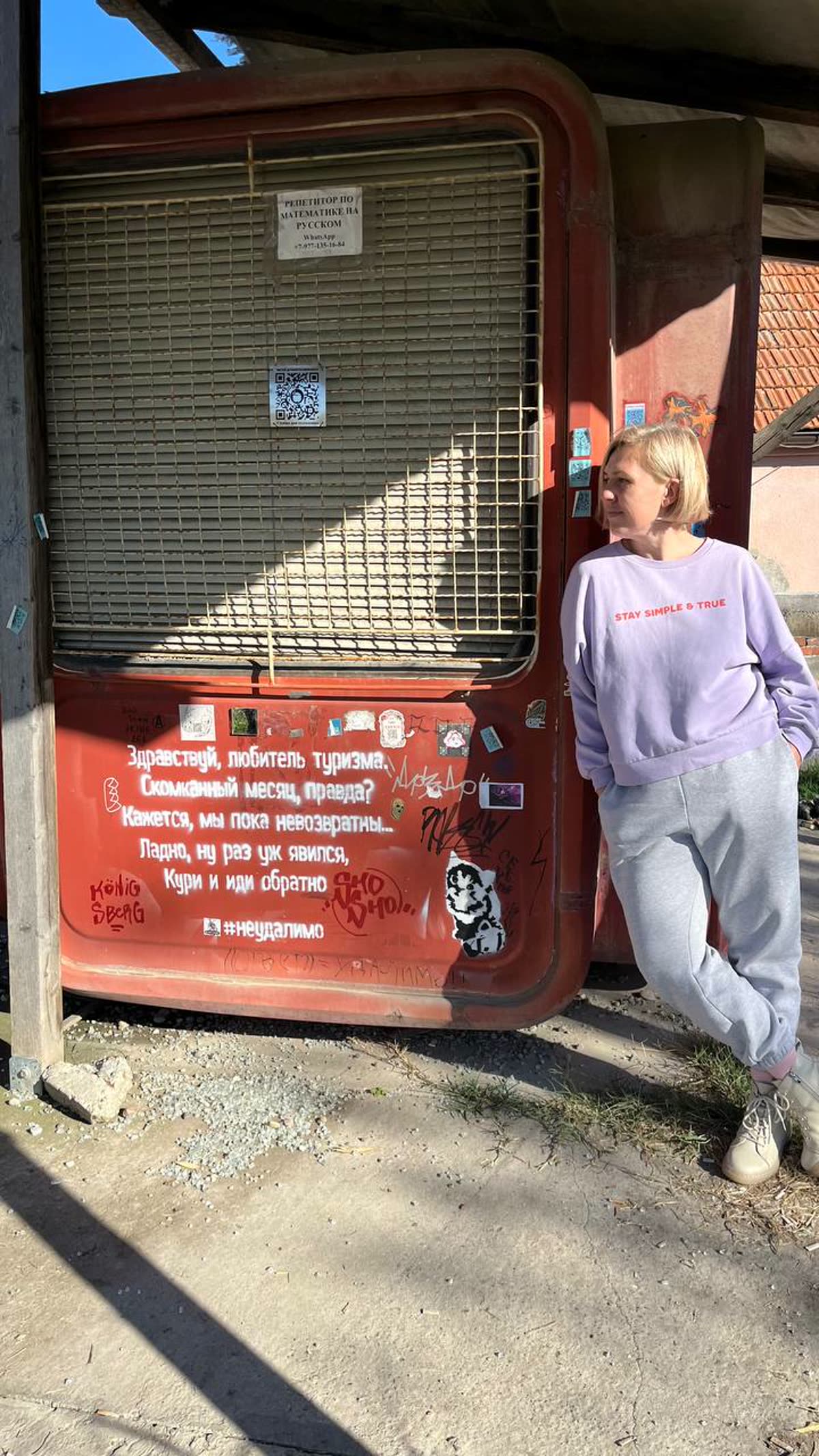
This place became symbolic for me, a new point of reference. Once a month we walk there to read it again, and every time the inscription echoes what has accumulated over the month.
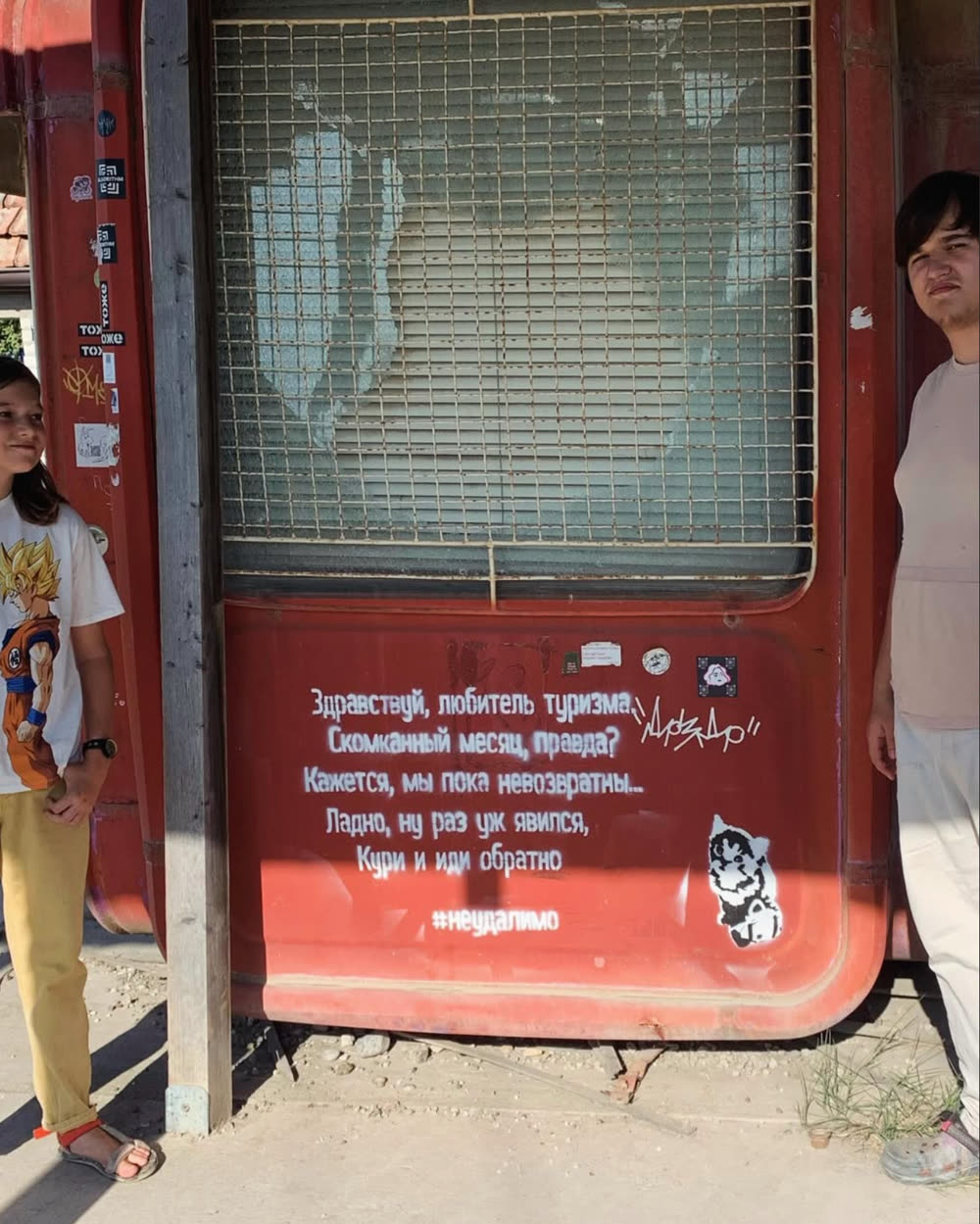
Whoever you are, thank you ❤️ #neudalimo
Open Instagram post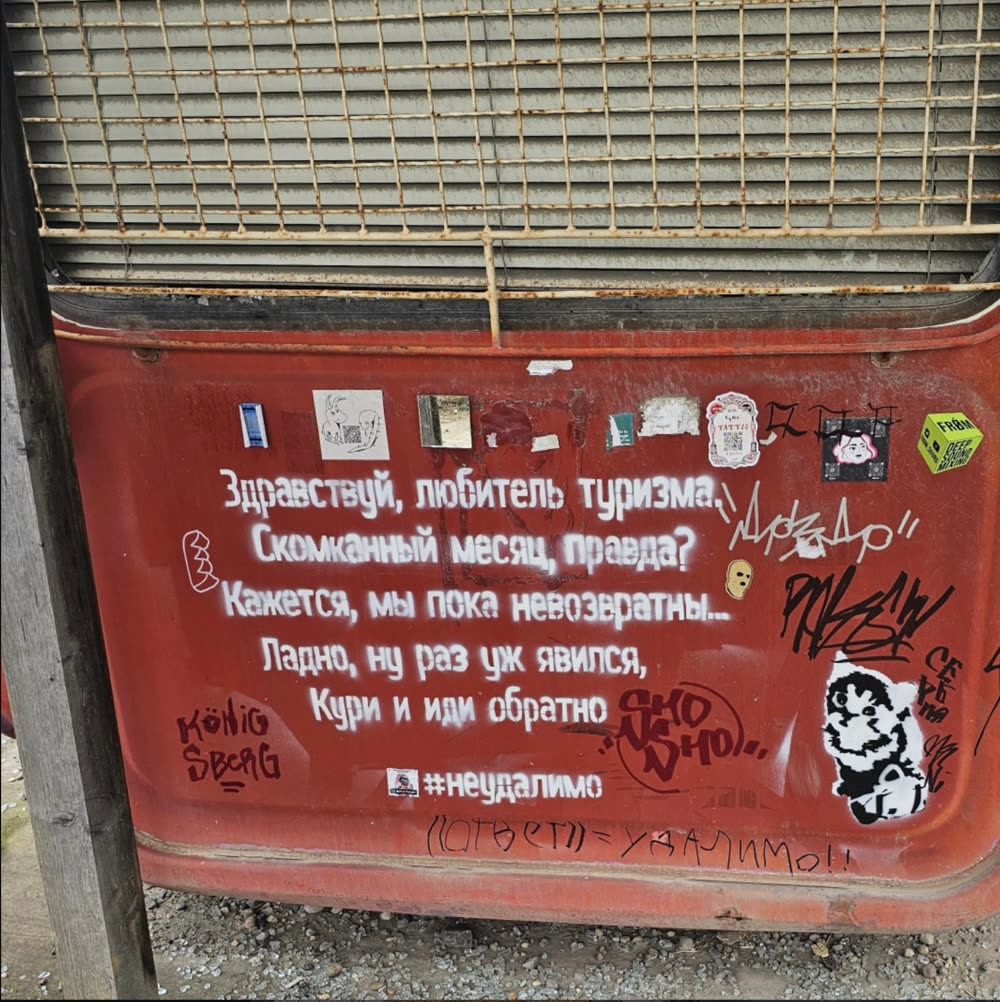
A little poetry, #neudalimo, on the border between Serbia and Bosnia and Herzegovina. The legendary abandoned burger stand, the Booth of Pilgrimage.
Open Instagram postFirst visa run in my life. It had to be captured and left here. #neudalimo
Open Instagram postToday I went on my first visa run.
Cold. A little sad.
But it seems we are still not returnable.
Team
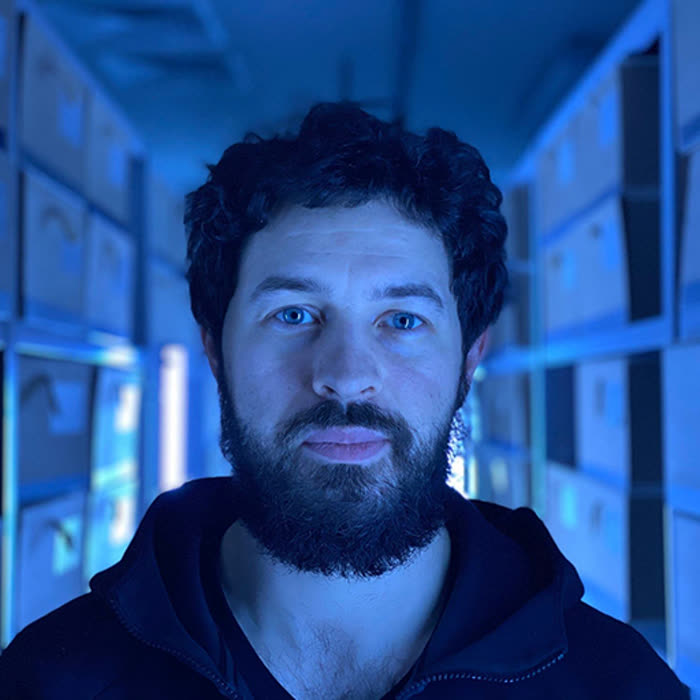
Filmmaker, producer, curator, and creative technologist working across documentary cinema, immersive media, and spatial computing. Founder of Film XR, with projects and programmes presented at Venice Immersive, SXSW, Cannes XR, NewImages, and Raindance Immersive.
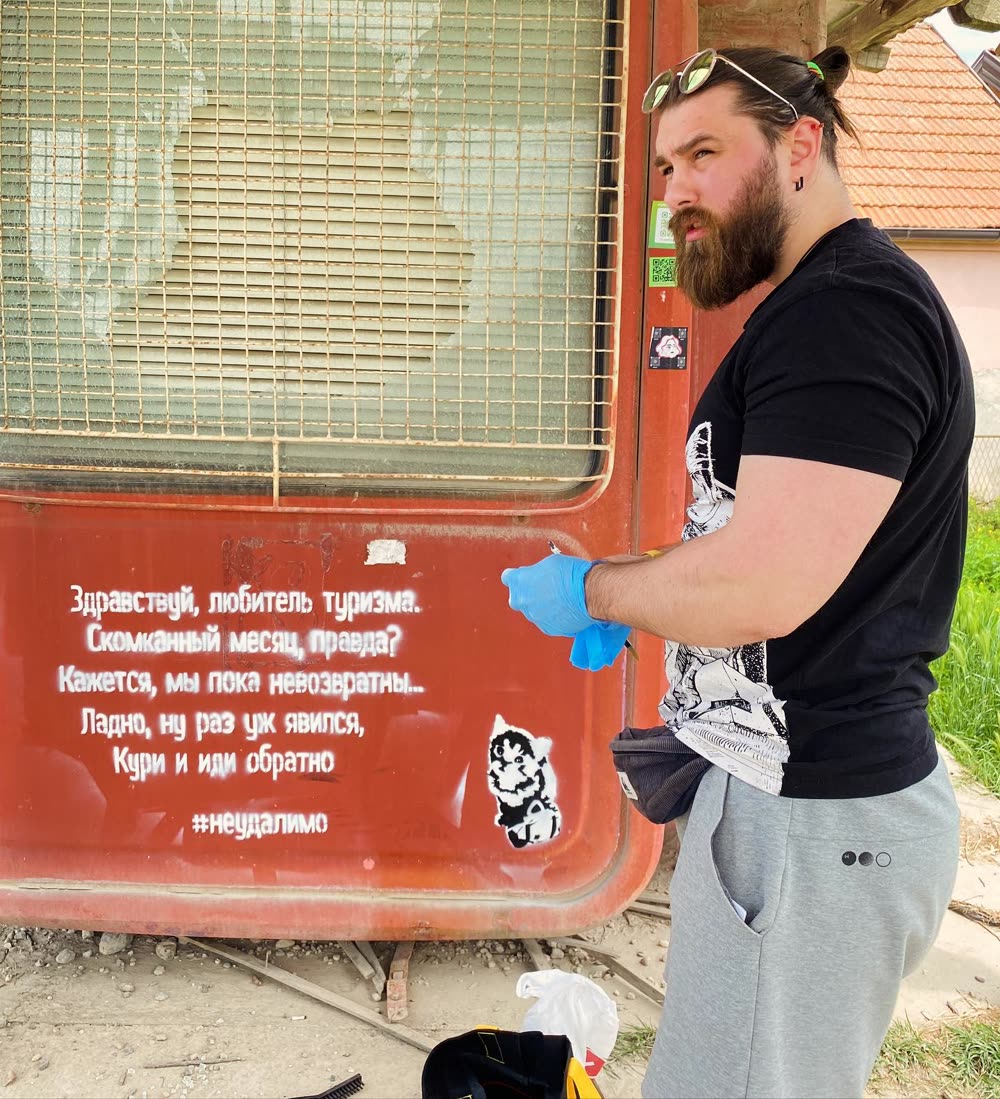
Ivan Pezikov, working as #неудалимо / #neudalimo, is a poet and artist who writes his own poems into public space as graffiti. The pseudonym means “cannot be deleted.” His practice connects poetry readings, public interventions, the Homecoming immersive art exhibition in Yerevan, and the Film Text Laboratory at Kinoproba Film Festival.
VRChat World Developer. VRChat RU Localization Lead-Translator and Proofreader, professional VRChat avatar maker, Senior Node.js Developer, Junior C#.
Gauss implementation, translation of scanned documentary locations into an interactive multiplayer world, composition, image and audio visualization, technical execution.
Creative technology studio working across augmented reality, visual effects, interactive installations, and spatial computing. VVARP develops immersive experiences for exhibitions, public events, and online platforms, combining technical production with creative direction.
The studio works with Unity, VRChat SDK, Unreal Engine, Gaussian Splatting, and real-time interactive systems. VISARUN world production: Pavel Golyshkin and Danil Oborozhnyi.
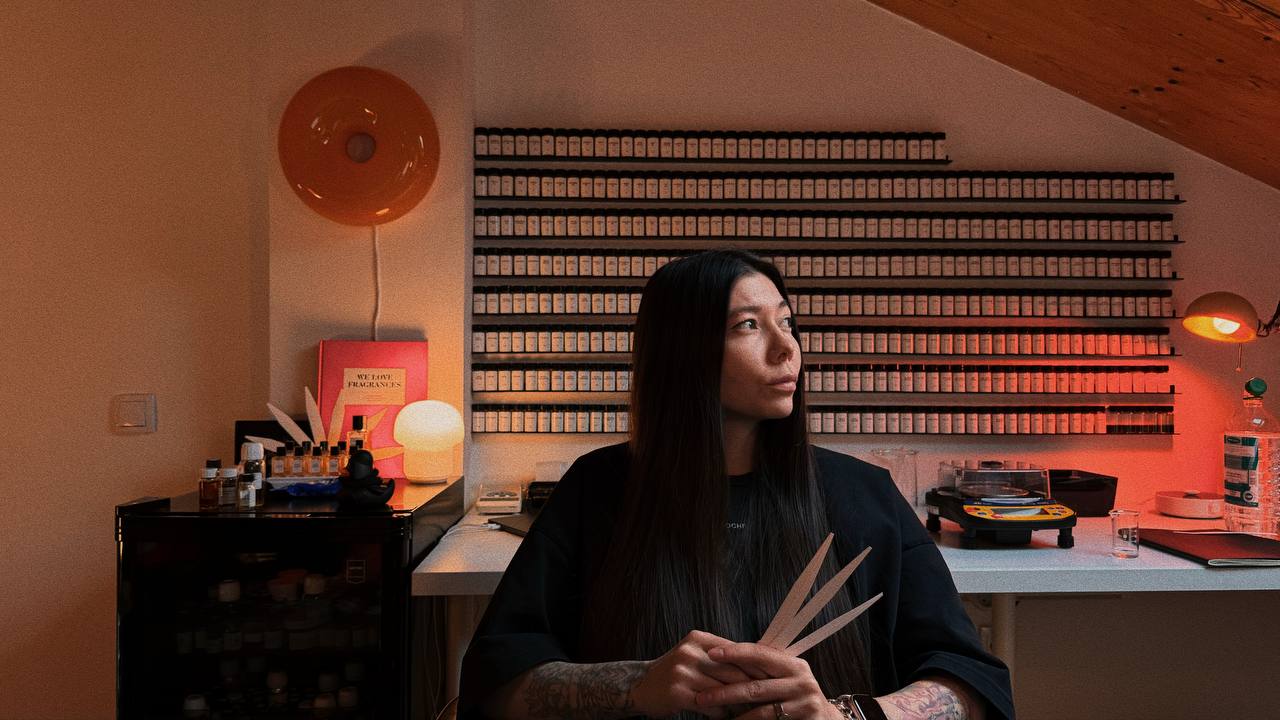
Daria Sarafanova is an independent perfumer and olfactory artist, and the founder of Storysmell studio. She creates original fragrance formulas for brands, cultural projects, and exhibition spaces, using scent to explore memory, place, and personal experience.
Contact
Request access to the private VRChat build, book the immersive installation format, or contact Film XR for festival and exhibition presentations.